
Importance of Changing Locks When You Move
The Importance of Changing Locks When You Move House
Why Replacing Your Locks Should Be a Top Priority After Relocating
Moving House? Don’t Forget to Change Your Locks
Moving into a new home is an exciting time, marked by new beginnings and fresh opportunities. Amidst the flurry of unpacking boxes, decorating rooms, and meeting new neighbours, one crucial task often slips down the to-do list: changing the locks on your new property. While it might seem like a minor detail, replacing the locks is a vital step in ensuring your family’s safety and peace of mind.

Security Starts at the Door
When you receive the keys to your new house, you can’t be certain how many copies exist or who might still have access. Previous owners, tenants, estate agents, cleaners, or even tradespeople could have keys that open your doors. By changing the locks, you take control of your home’s security from the very start, ensuring that only those you trust have access. I have lost count of the times that workers doing long jobs like extensions or renovations, lose keys. If you hand your key over to a tradesperson for an extended period, you simply don’t know if they or one of their employees makes a copy. Always give them a key to a minor use door if possible and change the lock once they have finished the work.
Peace of Mind for Your New Chapter
There’s nothing quite like the reassurance of knowing you’re the only keyholder. Changing the locks eliminates any risk of unwanted visitors and allows you to settle into your new home with confidence. The last thing you want during your first night in a new place is uncertainty over who might be able to let themselves in unannounced. I have actually known this to happen. After six months in their new house, a couple came home to find a neighbour looking around. The neighbour explained she had a key from the previous owner and was concerned because she had been watching the new owners and they had not returned at their normal time.
Insurance and Legal Considerations
Many home insurance policies require evidence of forced entry to cover burglary claims. If a break-in occurs and the thief uses an old key, you may find yourself ineligible for compensation. By replacing the locks, you not only protect your belongings but also ensure your insurance remains valid and effective. There are also an incredible number of older properties that simply do not have insurance rated locks. It is always best to seek professional advice. Many people confuse the locking mechanism on a upvc door for a 5 lever lock as stated in insurance policies.

When Should You Change Locks?
Ideally, locks should be changed as soon as you move in – before you start bringing in valuables or spending the night. If you’re renting, check with your landlord about replacing the locks, and ensure you comply with the tenancy agreement. For homeowners, it’s a straightforward process that can often be done in a single afternoon. As a tenant, it is worth offering to pay for new locks if the landlord won’t do it. Legally, they don’t have to, but morally your landlord should change the locks for you. This is an allowable expense, so no-one loses out. If you are a home buyer and intend to have work done quite quickly, either leave the lock changing until after the work is done or ask your local locksmith if they have some 2nd hand locks that can go in temporarily before the main change further down the line.
Professional Help or DIY?
While some may feel comfortable changing locks themselves, hiring a professional locksmith guarantees the job is done correctly and to a high standard. A reputable locksmith can also advise on upgrading to more secure or modern locking systems, offering an added layer of protection against break-ins. You might want to discuss smart locks or just get some advice.
Don’t Overlook Windows and Outbuildings
It’s easy to focus on doors, but remember to check and, if necessary, change locks on windows, garages, sheds, and side gates. These entry points are just as important for your overall security. A comprehensive approach ensures no weak links in your home’s defenses. When you move in, check all windows have a lock and key and that they operate correctly. Getting everything done in one go will save the cost of repeat visits in the future.
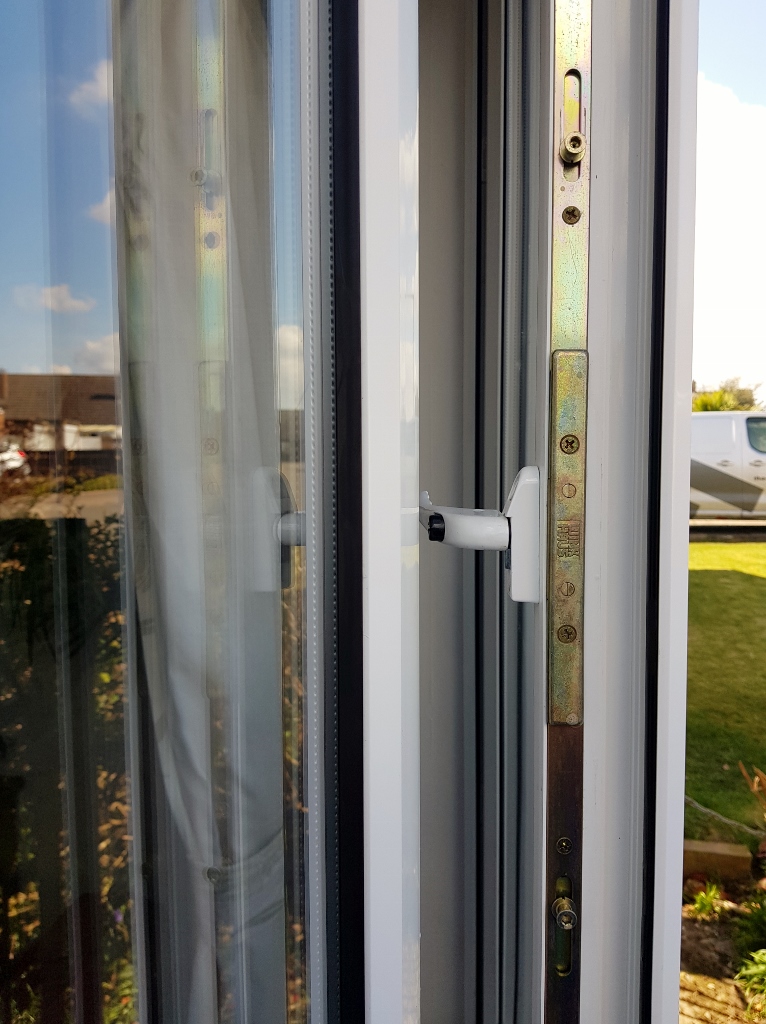
Wndow shuts & mechanism cleaned & serviced
Final Thoughts
In the whirlwind of moving house, changing the locks might seem like a small detail, but it’s one of the simplest and most effective ways to protect your loved ones and your possessions. By making this a priority, you’ll be able to enjoy your new home safe in the knowledge that you’re in control of who comes and goes.
After all, home is where you should always feel secure. Don’t leave it to chance—change your locks and start your new adventure the right way.