When I first started locksmithing, if you wanted a new lock, you had a choice of brass/gold, chrome and polished chrome. If you wanted an antique look, there were black hammered wrought iron, but little else.
Over the years there has been little movement in those choices. Traditional mortice locks Often called “Chubb” locks have started to be replaced by locking cases with cylinder locks, but these have all had a more modern feel to them. A rural cottage looks a bit odd with a modern looking handle, and I never liked the black handle with brass cylinder combination.
But now, no more boring locks – there are a range of new colour cylinders that offer more choice. From black to antique brass, these open the way for more stylish handles.
You can even get them in thumb turns and they are kite marked so comply with your home insurance requirements.
If you want, you can also have pewter, but these are a bit more of a premium price right now.
Also, no more boring handles like this.
Say hello to handles that are noticed when people come to your door. Handles that make a great first impression….
Or that you live in regency France!
If you would like a free consultation on styles and costs with no obligation, please contact me.
The Importance of Changing Locks When You Move House
Why Replacing Your Locks Should Be a Top Priority After Relocating
Moving House? Don’t Forget to Change Your Locks
Moving into a new home is an exciting time, marked by new beginnings and fresh opportunities. Amidst the flurry of unpacking boxes, decorating rooms, and meeting new neighbours, one crucial task often slips down the to-do list: changing the locks on your new property. While it might seem like a minor detail, replacing the locks is a vital step in ensuring your family’s safety and peace of mind.
Security Starts at the Door
When you receive the keys to your new house, you can’t be certain how many copies exist or who might still have access. Previous owners, tenants, estate agents, cleaners, or even tradespeople could have keys that open your doors. By changing the locks, you take control of your home’s security from the very start, ensuring that only those you trust have access. I have lost count of the times that workers doing long jobs like extensions or renovations, lose keys. If you hand your key over to a tradesperson for an extended period, you simply don’t know if they or one of their employees makes a copy. Always give them a key to a minor use door if possible and change the lock once they have finished the work.
Peace of Mind for Your New Chapter
There’s nothing quite like the reassurance of knowing you’re the only keyholder. Changing the locks eliminates any risk of unwanted visitors and allows you to settle into your new home with confidence. The last thing you want during your first night in a new place is uncertainty over who might be able to let themselves in unannounced. I have actually known this to happen. After six months in their new house, a couple came home to find a neighbour looking around. The neighbour explained she had a key from the previous owner and was concerned because she had been watching the new owners and they had not returned at their normal time.
Insurance and Legal Considerations
Many home insurance policies require evidence of forced entry to cover burglary claims. If a break-in occurs and the thief uses an old key, you may find yourself ineligible for compensation. By replacing the locks, you not only protect your belongings but also ensure your insurance remains valid and effective. There are also an incredible number of older properties that simply do not have insurance rated locks. It is always best to seek professional advice. Many people confuse the locking mechanism on a upvc door for a 5 lever lock as stated in insurance policies.
When Should You Change Locks?
Ideally, locks should be changed as soon as you move in – before you start bringing in valuables or spending the night. If you’re renting, check with your landlord about replacing the locks, and ensure you comply with the tenancy agreement. For homeowners, it’s a straightforward process that can often be done in a single afternoon. As a tenant, it is worth offering to pay for new locks if the landlord won’t do it. Legally, they don’t have to, but morally your landlord should change the locks for you. This is an allowable expense, so no-one loses out. If you are a home buyer and intend to have work done quite quickly, either leave the lock changing until after the work is done or ask your local locksmith if they have some 2nd hand locks that can go in temporarily before the main change further down the line.
Professional Help or DIY?
While some may feel comfortable changing locks themselves, hiring a professional locksmith guarantees the job is done correctly and to a high standard. A reputable locksmith can also advise on upgrading to more secure or modern locking systems, offering an added layer of protection against break-ins. You might want to discuss smart locks or just get some advice.
Don’t Overlook Windows and Outbuildings
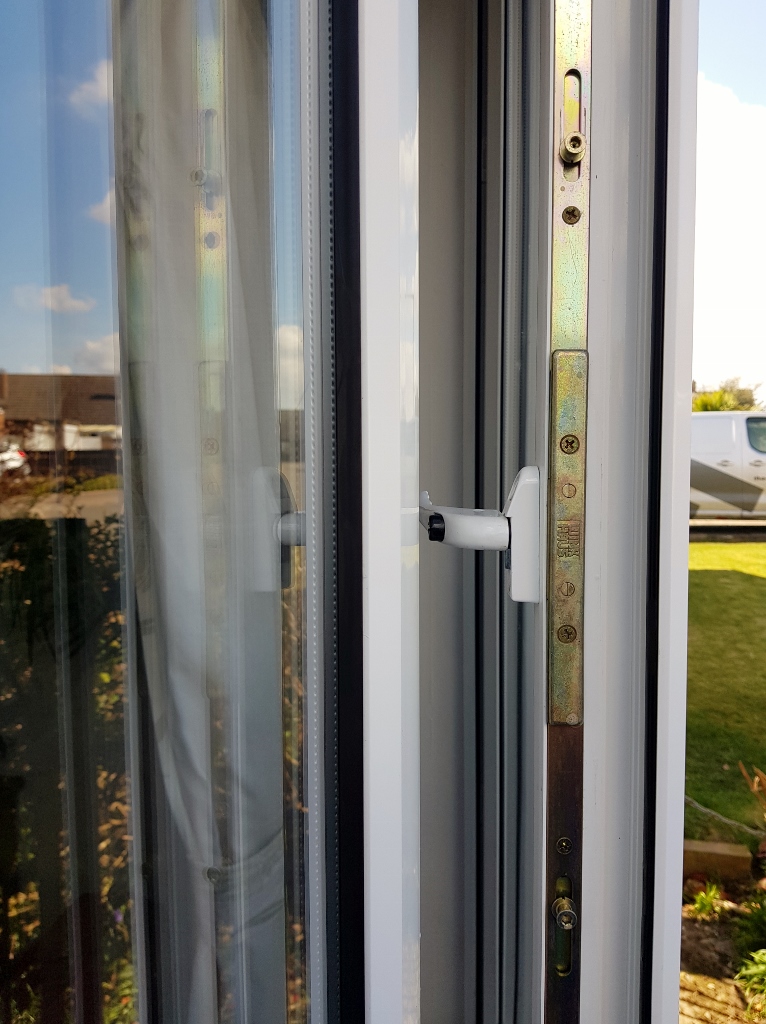
It’s easy to focus on doors, but remember to check and, if necessary, change locks on windows, garages, sheds, and side gates. These entry points are just as important for your overall security. A comprehensive approach ensures no weak links in your home’s defenses. When you move in, check all windows have a lock and key and that they operate correctly. Getting everything done in one go will save the cost of repeat visits in the future.
Wndow shuts & mechanism cleaned & serviced
Final Thoughts
In the whirlwind of moving house, changing the locks might seem like a small detail, but it’s one of the simplest and most effective ways to protect your loved ones and your possessions. By making this a priority, you’ll be able to enjoy your new home safe in the knowledge that you’re in control of who comes and goes.
After all, home is where you should always feel secure. Don’t leave it to chance—change your locks and start your new adventure the right way.
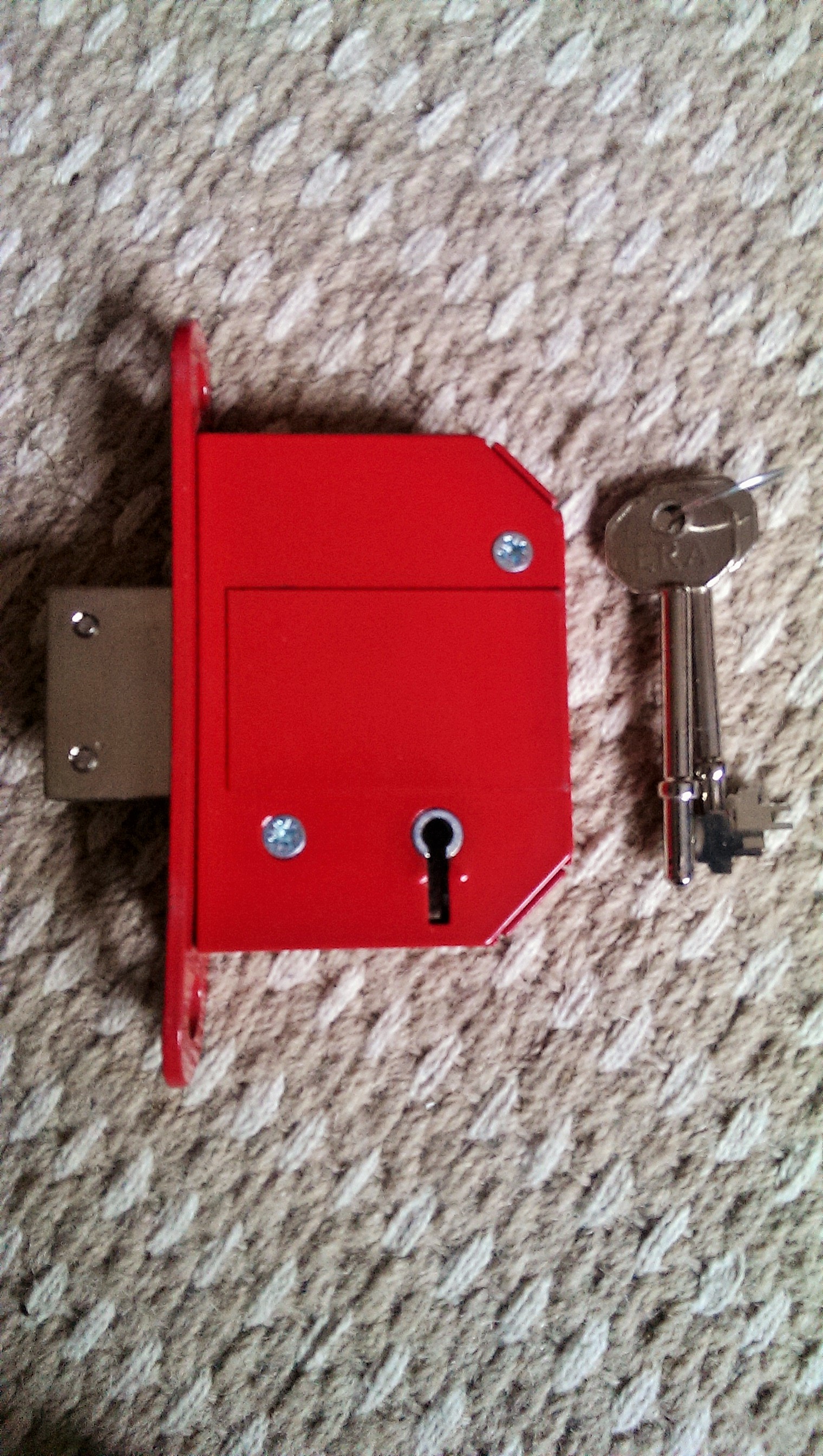
The mortice lock (sometimes spelt mortise) and often referred to as a ‘Chubb’ lock.
When your home insurance talks about 5 lever locks, it is referring to this type of lock and not the multi-point locking system of the type found on upvc type doors.You can have two main types of mortice lock.
This is the deadlock;
And this is the sash lock – essentially a deadlock with retractable latch;
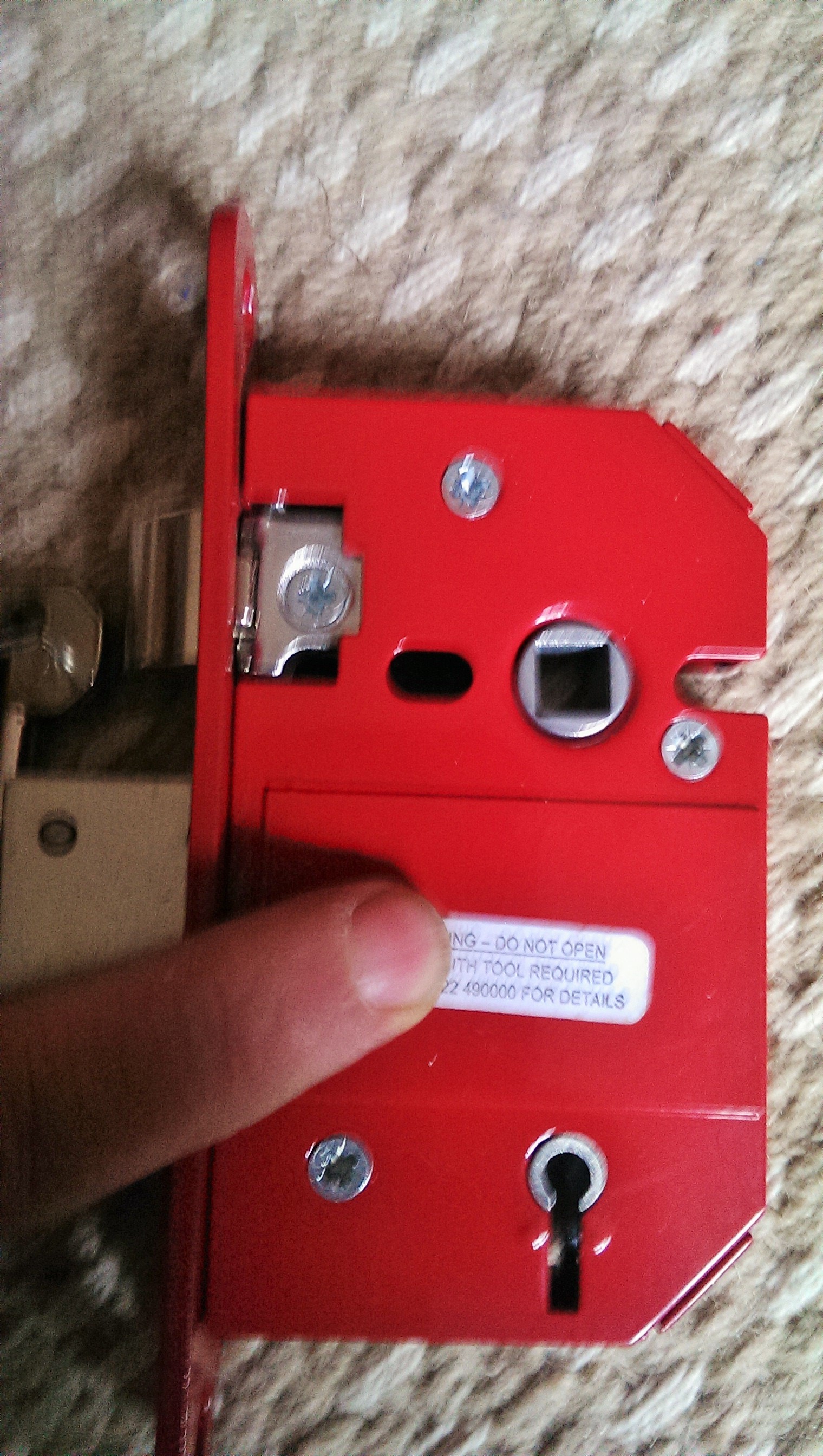
The two pictures are 5 lever mortice locks and made to British Standard 3621 quality. The following pictures show what makes them such high quality:
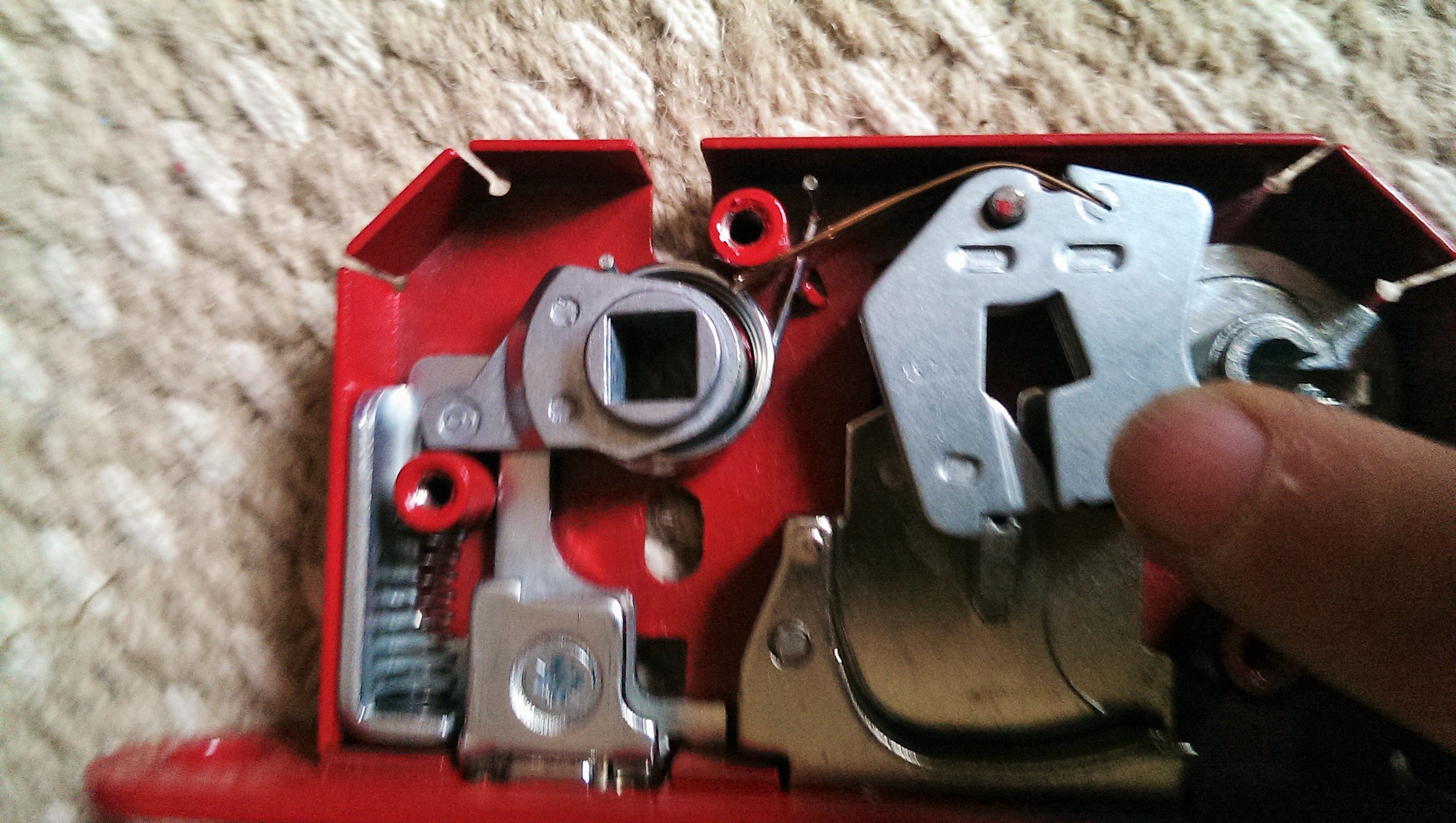
The black layers you can see in between the hard steel plates, is designed to snag hack-saws, stopping any potential attack where a wide gap between the door and frame might allow for this to happen. The bolt itself comes out a long way to ensure anyone attempting to ‘pop’ the door with a crowbar is in for a serious struggle. In burglaries I have attended where the door has been opened with a crowbar, the wood of the door has split rather than the lock breaking. That is because the keep that sits in the door frame is a solid construction as well. Two and three lever mortice locks have a much smaller bolt and usually, the keep is just a thin piece of metal that goes over holes cut into the wood.
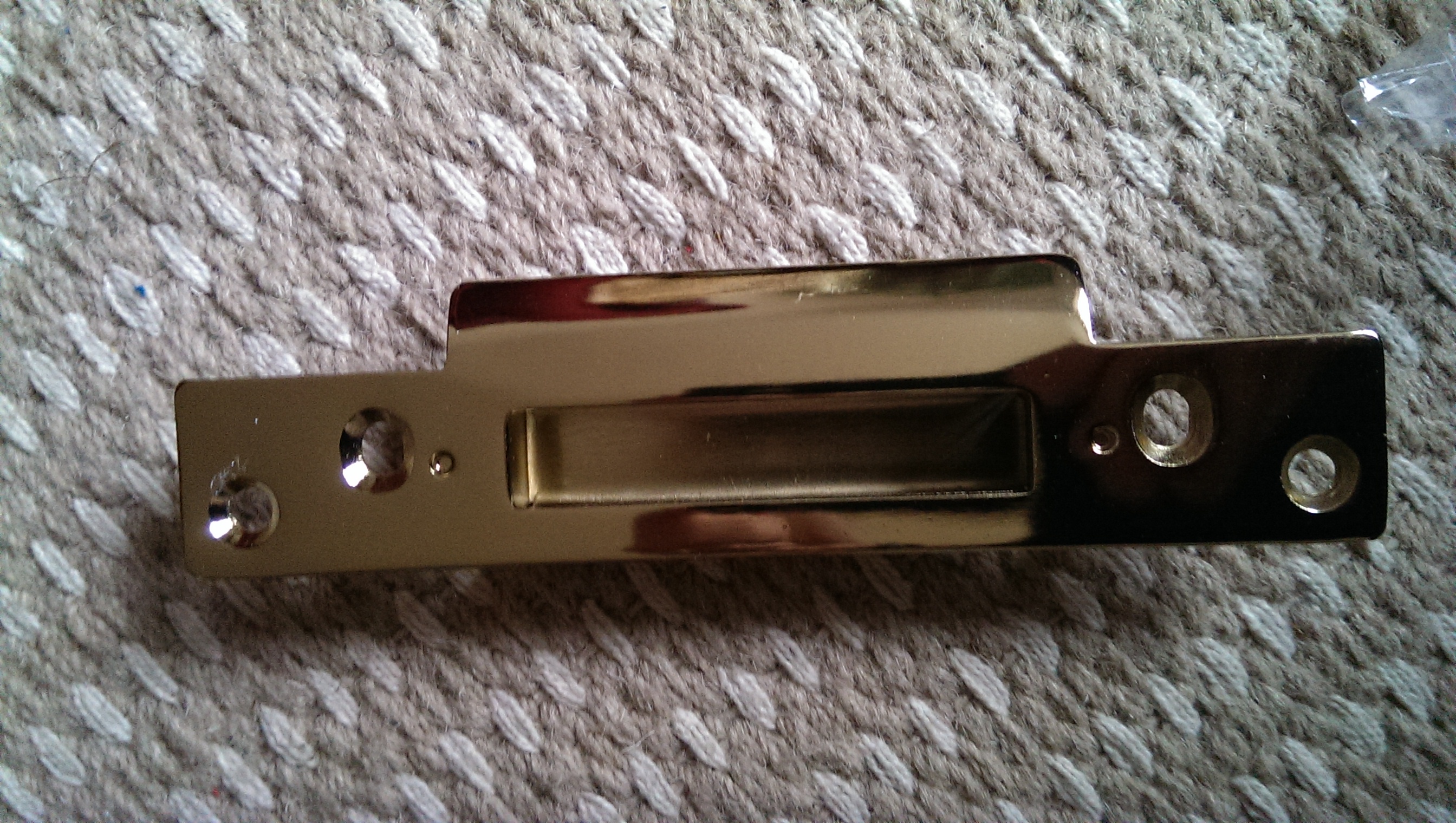
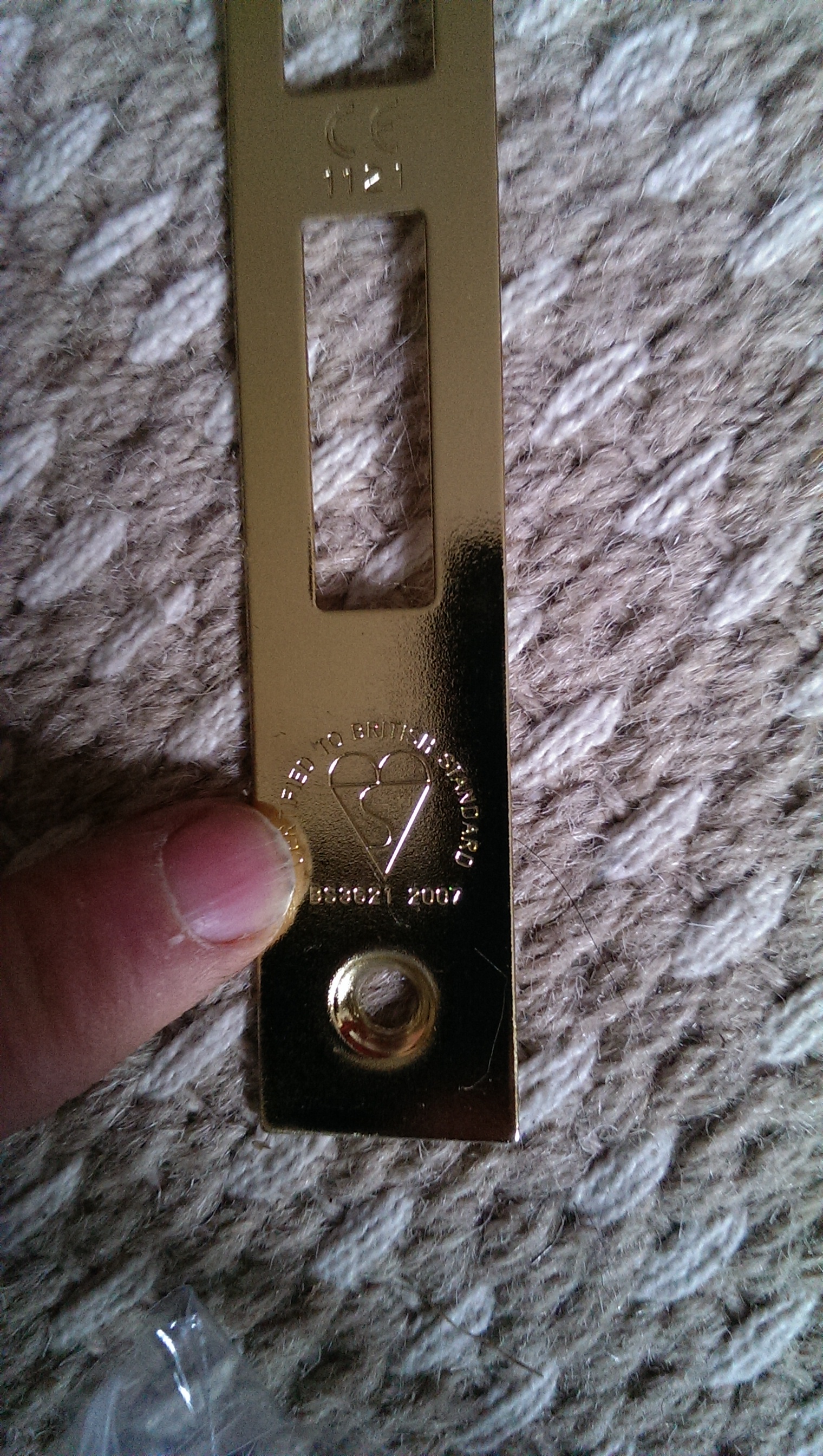
A five lever mortice lock keep looks like this: It will be made of a thick hard plate metal and secured with four deep set screws.Two and three lever mortice locks can be picked relatively easily, because tools can be inserted up into the lock from the key hole from where the burglar can manipulate the levers.
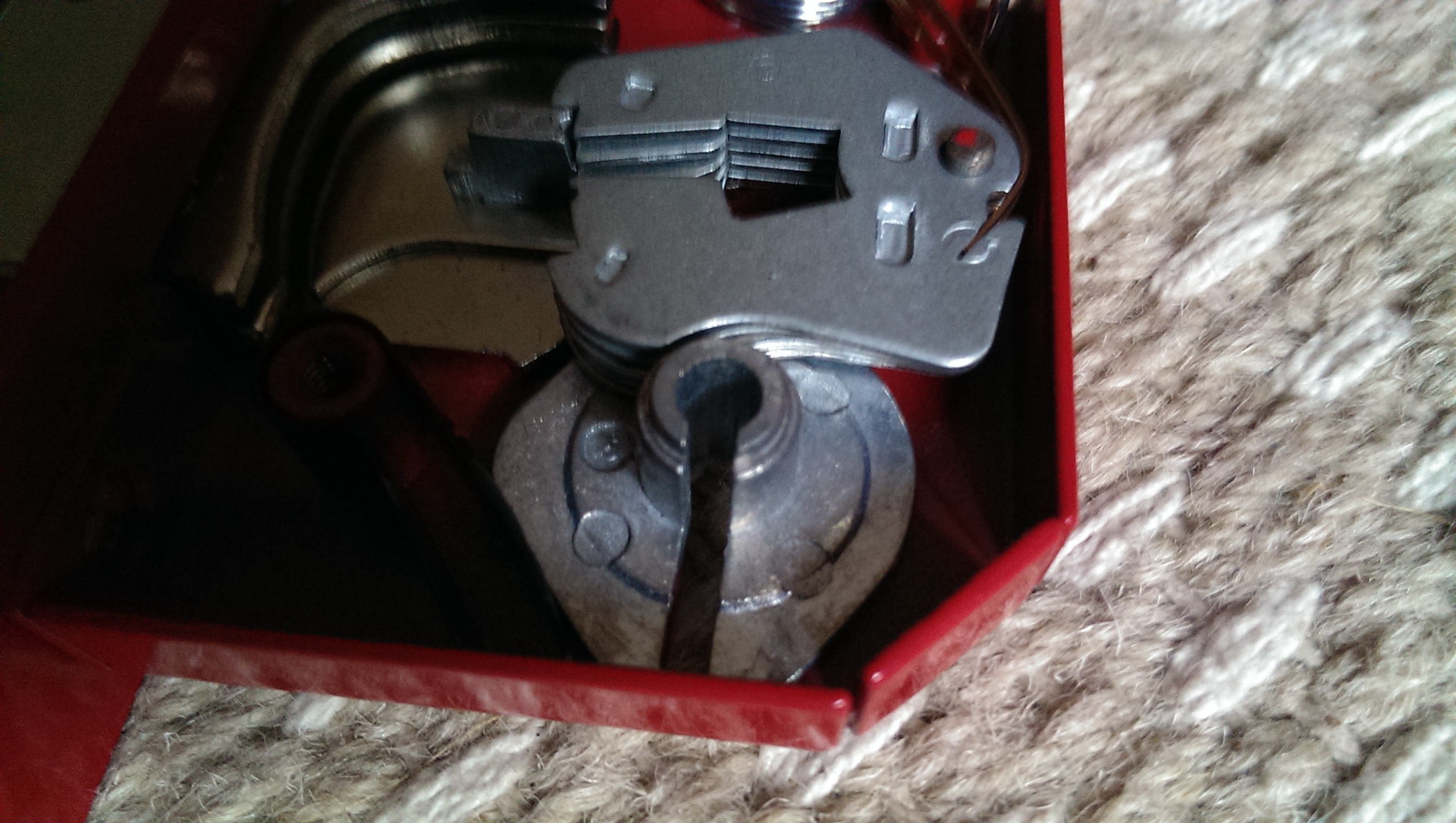
On a BS3621 5 lever mortice lock, that method of attack is made all the harder by the anti-pick curtain, shown here:
This round bit is the part you put your key into and stops any manipulation of the levers above.
You can see it again in this next picture which also shows the hardened steel plate that stops standard drills making any holes where burglars need them to move the levers and therefore open the lock.
Levers
Now, onto the levers themselves. Because this is a 5 lever lock, there are obviously five of them. That means trying to pick one of these (if the burglar is willing to spend the time trying to get past the anti-pick curtain), is really difficult. There is a technique, but it requires holding just the right pressure as you do each lever in turn. If you make it to the fifth one, you are either very determined, or very lucky. These levers also have anti-pick traps, which in some cases, will render the lock completely unusable. Certain brands wear very easily and poorly cut copied keys can set these traps off, so make sure the person cutting any extra keys uses ones that have the brand name on them and has plenty of experience. Here are the levers:
If you just don’t know whether or not your locks are up to standard, there is one way to ensure it meets the necessary standards. It should display the British Standard Kite Mark like this:
Now this piece only covers the basic mortice locks. There are other mortice locks which are in a bit of a grey area. For example, horizontal mortice locks which have the key hole and usually a knob on a side by side set up rather than a lever handle above the key hole. If you have one of these, the chances are it is a 3 lever lock and not insurance compliant as a standalone lock. There are 5 lever versions but these are expensive and do not always work with older doors. You can also have narrow fit mortice locks for doors that do not have much space into which a lock will fit. Non-standard 5 lever mortice locks do not carry BS3621 kite marks, but often satisfy insurance companies if they are made aware of the circumstances in which they have been fitted.
If you have any doubts at all, contact your local locksmith who can either advise on your best course of action, and may be prepared to word a letter to your insurance company explaining unusual circumstances. Remember even if the burglar gets in through a door that has the appropriate lock on it, some insurance companies will refuse to pay out if any one of your other locks is not up to standard.
If you require any more information regarding the locks mentioned above, please do not hesitate to contact me using any of the methods on my contacts page. If there are any other locksmith related topics you would like me to cover, please either leave a comment or drop me an email, my address can be found on the contacts page.
Well, maybe yours is – but I am upgrading many homes in Norfolk, that either don’t meet insurance standards, or are woefully susceptible to attack.
It’s quite simple, if your locks do not carry the British Standard Kite Mark, then they are, in most cases, pretty easy to get in to. And, just as importantly, if your door locks do not meet insurance standards your insurers will NOT pay out any money, regardless of what has happened.
Of course, there are a few exceptions: Some types of lock either do not have British classification, or, as in with padlocks, the rating is done on a European rating instead.
I have noticed some trends in the properties that are poorly protected, but cannot post them because I would hate to hand a would-be burglar the obvious places to look. However, if you are reading this and you know someone who has not got access to a computer, please do them a favour and help them check their locks for the British Standard Kite Mark. If you know someone with old locks, see if they have checked them recently.
Many people still think a 5 lever lock refers to the type seen on UPVC doors. It doesn’t. It refers to mortice (some times called ‘Chubb’) locks, and there are far too many front doors that only have 2 lever or 3 lever locks, which professional burglars can bypass in seconds.
Norfolk is a low crime area and the number of burglaries are coming down across the UK, in part, thanks to better locks and security in general. But they are still happening. Not to scaremonger, but to simply state facts – If your neighbour has good quality locks, the domestic intruder could visit your house instead.
The emotional fall out of a burglary can last for years. Heirlooms and items of personal sentimental value can never be replaced.Instead of thinking it will never happen to you, be sure you have done all you possibly can to make sure it won’t happen to you. Protect your home with British Standard products. Don’t be complacent with thoughts like: ‘Anyone can get in if they really want to’ If that wasn’t true, I would be out of a job. But the idea is to make it as hard as possible for them. If it is going to take time to get in, they probably won’t bother. And getting in is only half the problem; they always want to leave through a door if they are laden with your possessions, so the correct door locks are essential.
If you have any questions regarding the above, or would like to book a free security check, with no obligations, please use any of the methods on my contacts page to get in touch.